
🏆
Stevie Award Winner
Low-Rated App to a
Modern Airline Digital Platform
Low-Rated App to a
Modern Airline Digital Platform
Low-Rated App to a
Modern Airline Digital Platform
(SCROLL down)
Problem
Statement
Problem
Statement
Problem Statement
Leading the UX transformation of Air India's mobile experience across native iOS and Android.
Leading the UX transformation of Air India's mobile experience across native iOS and Android.
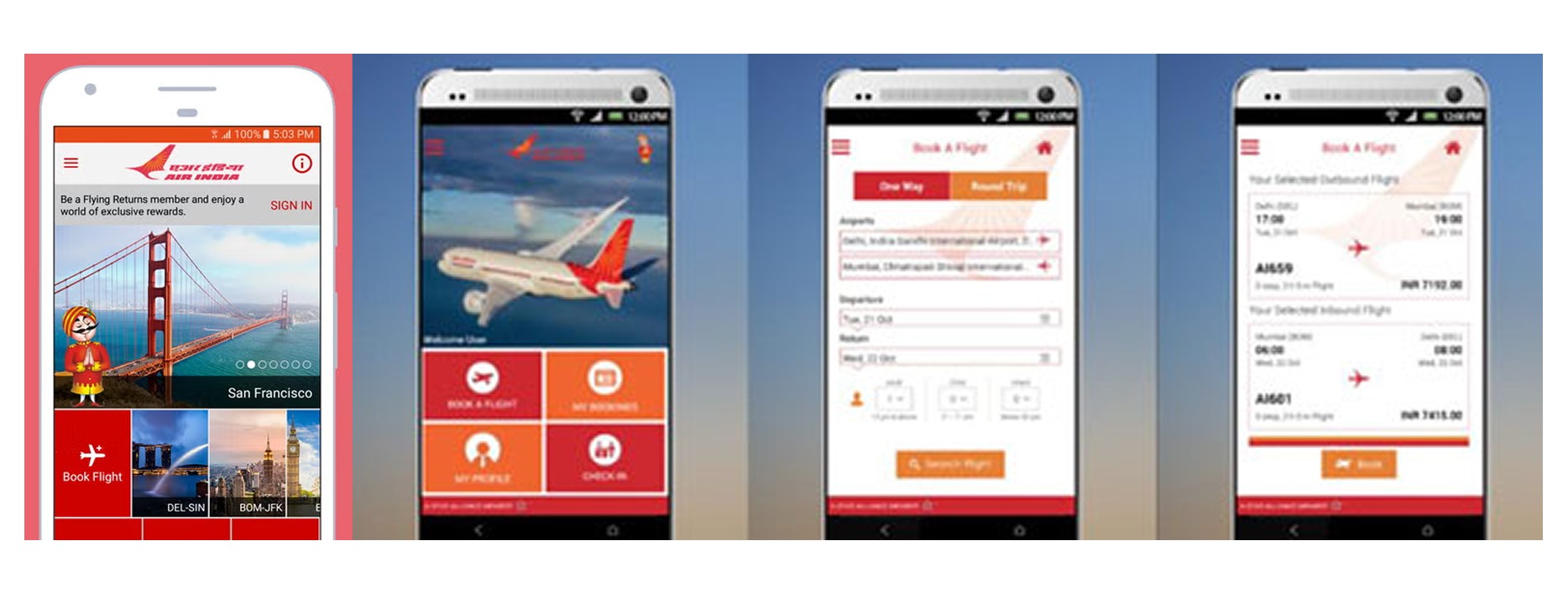
Air India's mobile app was a critical customer touchpoint, but the legacy experience was struggling with fragmented journeys, outdated technology, inconsistent UI, and limited self-service capabilities.
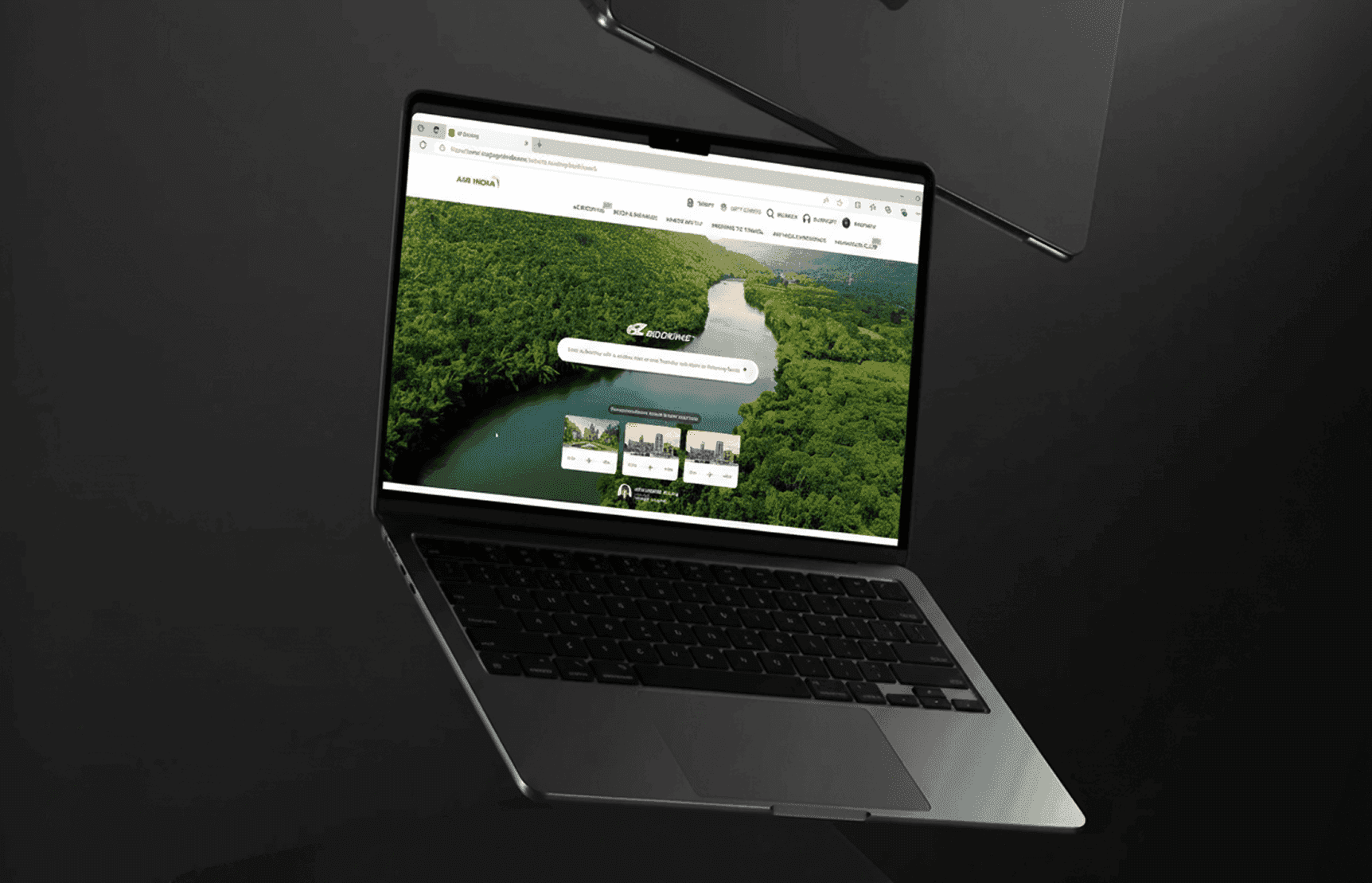
As part of Air India's broader digital transformation, I helped lead the UX and product experience transformation of the mobile app—from a fragmented, webview-dependent experience into a native, scalable, high-utility mobile platform.
Air India's mobile app was a critical customer touchpoint, but the legacy experience was struggling with fragmented journeys, outdated technology, inconsistent UI, and limited self-service capabilities.
As part of Air India's broader digital transformation, I helped lead the UX and product experience transformation of the mobile app—from a fragmented, webview-dependent experience into a native, scalable, high-utility mobile platform.
//
What was Broken?
//
What was Broken?
Understanding why customers were
abandoning the experience
Understanding why customers were
abandoning the experience
Experience Not Built for
Frequent Travelers

The legacy Air India app faced problems across both product experience and technical performance. Core journeys such as booking, check-in, and flight status could feel slow, fragmented, and inconsistent. The experience also relied heavily on webviews, limiting the feeling of a cohesive native mobile product.
The challenge wasn't simply to redesign the UI.
How might we transform a fragmented airline app into a reliable, native, high-utility product that customers would choose to use throughout their journey?
The redesign had to improve the customer experience while creating a foundation that could support future features, services, and operational complexity.
The legacy Air India app faced problems across both product experience and technical performance. Core journeys such as booking, check-in, and flight status could feel slow, fragmented, and inconsistent. The experience also relied heavily on webviews, limiting the feeling of a cohesive native mobile product.
The challenge wasn't simply to redesign the UI.
How might we transform a fragmented airline app into a reliable, native, high-utility product that customers would choose to use throughout their journey?
The redesign had to improve the customer experience while creating a foundation that could support future features, services, and operational complexity.
The legacy Air India app faced problems across both product experience and technical performance. Core journeys such as booking, check-in, and flight status could feel slow, fragmented, and inconsistent. The experience also relied heavily on webviews, limiting the feeling of a cohesive native mobile product.
The challenge wasn't simply to redesign the UI.
How might we transform a fragmented airline app into a reliable, native, high-utility product that customers would choose to use throughout their journey?
The redesign had to improve the customer experience while creating a foundation that could support future features, services, and operational complexity.
Low app-store ratings and negative customer sentiment
Low app-store ratings and negative customer sentiment

Outdated visual design
Fragmented navigation and inconsistent interactions
Fragmented navigation and inconsistent interactions
The journey needed stronger alignment with the evolving visual and interaction language of the Air India app.
The journey needed stronger alignment with the evolving visual and interaction language of the Air India app.
Heavy dependency on webviews
Heavy dependency on webviews
Poor retention and repeat usage
Poor retention and repeat usage
My Leadership
& Role
My Leadership
& Role
My Leadership & Role
Leading UX and product experience across the transformation
I worked on the mobile-app transformation alongside the Head of Mobile Apps and a team of four designers.
My role involved leading and governing the product experience across iOS and Android.
Leading UX and product experience across the transformation
I worked on the mobile-app transformation alongside the Head of Mobile Apps and a team of four designers.
My role involved leading and governing the product experience across iOS and Android.
I owned
I owned
UX and product experience strategy
UX and product experience strategy
Experience principles across the mobile ecosystem
Experience principles across the mobile ecosystem
Information architecture and navigation
Information architecture and navigation
Native mobile interaction patterns
Native mobile interaction patterns
Design-system implementation
Design-system implementation
Design quality and governance
Design quality and governance
I collaborated closely with
I collaborated closely with
Product
Product
iOS and Android Engineering
iOS and Android Engineering
Analytics
Analytics
Other stakeholders across the digital ecosystem
Other stakeholders across the digital ecosystem
Research
& Discovery
Research
& Discovery
Research & Discovery
We used multiple research sources—including NPS data, app-store reviews, funnel analytics, customer feedback, heatmaps, session recordings, and competitive benchmarking—to understand why customers were abandoning the experience. The research revealed three key themes: performance issues reduced trust, inconsistent webviews and fragmented interactions created friction, and customers expected greater self-service capabilities to manage their journey. These insights shaped the overall transformation strategy.
We used multiple research sources—including NPS data, app-store reviews, funnel analytics, customer feedback, heatmaps, session recordings, and competitive benchmarking—to understand why customers were abandoning the experience. The research revealed three key themes: performance issues reduced trust, inconsistent webviews and fragmented interactions created friction, and customers expected greater self-service capabilities to manage their journey. These insights shaped the overall transformation strategy.
Key Insight
An airline app should not be a collection of services.
Customers don’t think about booking, check-in, seats, flight status, disruptions, baggage, and loyalty as separate systems—they see them as one journey and expect the app to help them manage it. This became a key principle behind the transformation, shifting the focus from improving isolated screens to creating a more connected and seamless product experience.

Key Insight
An airline app should not be a collection of services.
Customers don’t think about booking, check-in, seats, flight status, disruptions, baggage, and loyalty as separate systems—they see them as one journey and expect the app to help them manage it. This became a key principle behind the transformation, shifting the focus from improving isolated screens to creating a more connected and seamless product experience.
Key Insight
Frequent travelers don't need another booking journey. They need the product to remember the journey they've already chosen.
Key Insight
Frequent travelers don't need another booking journey. They need the product to remember the journey they've already chosen.

Native mobile app transformation, designed to create a more seamless and connected travel experience through improved performance, consistent interactions, intuitive self-service, and simplified journey
Native mobile app transformation, designed to create a more seamless and connected travel experience through improved performance, consistent interactions, intuitive self-service, and simplified journey
Transformation
Strategy
Transformation
Strategy
Transformation
Strategy
Phase 01 — Build the foundation
The first phase focused on strengthening the underlying mobile experience by building native iOS and Android journeys, reducing webview dependency, improving performance and stability, establishing more consistent interaction patterns, and rebuilding key customer journeys. This created a stronger technical and UX foundation for future product development.
Phase 01 — Build the foundation
The first phase focused on strengthening the underlying mobile experience by building native iOS and Android journeys, reducing webview dependency, improving performance and stability, establishing more consistent interaction patterns, and rebuilding key customer journeys. This created a stronger technical and UX foundation for future product development.
Phase 02 — Transform the experience
The second phase aligned the mobile app with Air India’s new brand and digital direction, shifting the focus from rebuilding the foundation to creating a more cohesive customer experience. We introduced a modern brand-aligned UI, improved navigation, expanded self-service and personalization, new utility features, and a scalable mobile design system. The goal was to make the app valuable before, during, and after a flight—not just when customers needed to book.
Phase 02 — Transform the experience
The second phase aligned the mobile app with Air India’s new brand and digital direction, shifting the focus from rebuilding the foundation to creating a more cohesive customer experience. We introduced a modern brand-aligned UI, improved navigation, expanded self-service and personalization, new utility features, and a scalable mobile design system. The goal was to make the app valuable before, during, and after a flight—not just when customers needed to book.
//
What We Built
//
What We Built
Fromairlineapptotravelcompanion
Fromairlineapptotravelcompanion
Fromairlineapptotravelcompanion
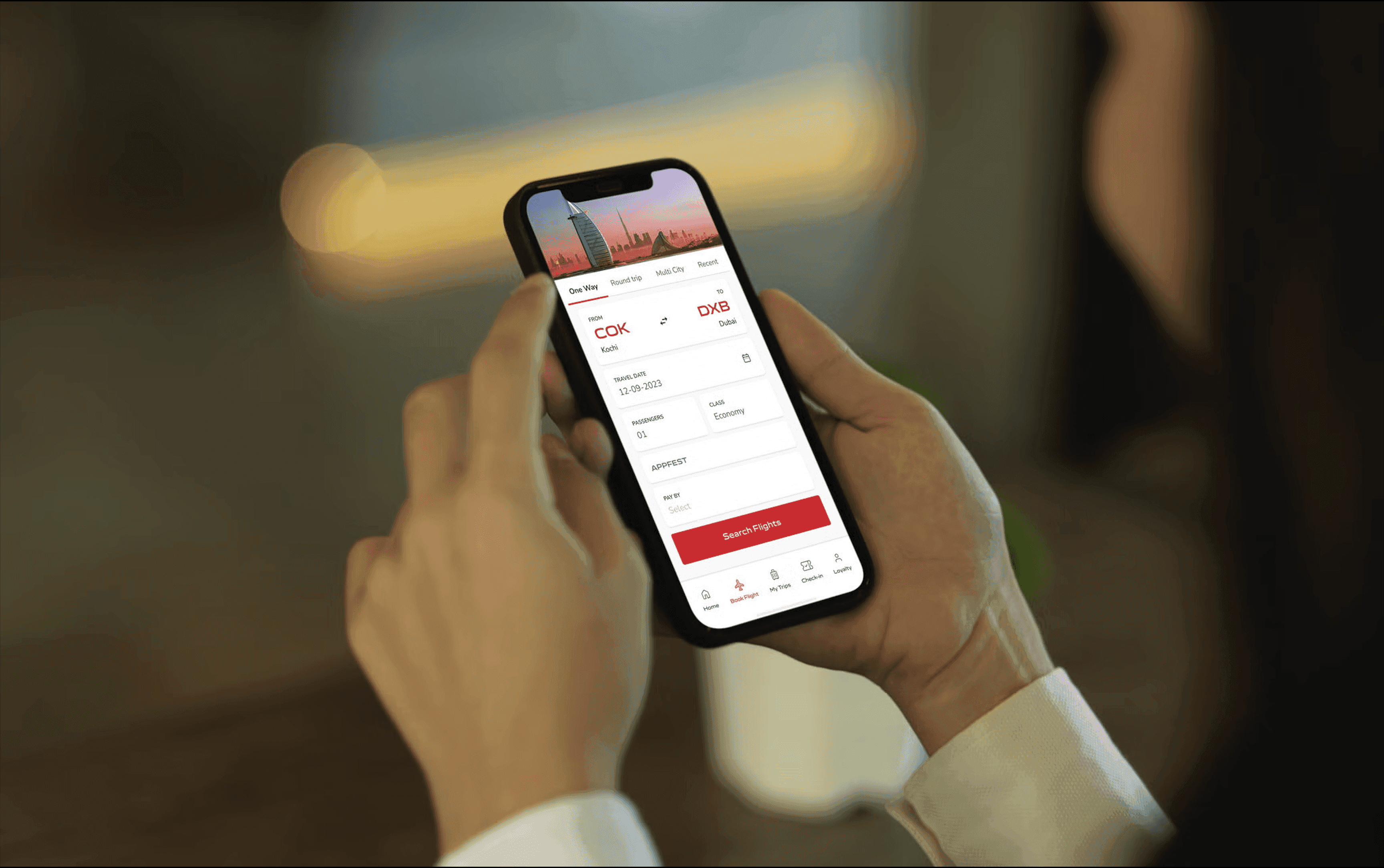
The redesigned experience brought together several key moments in the passenger journey.
The redesigned experience brought together several key moments in the passenger journey.

Feature Highlights
AEYE Vision
AEYE Vision
Quick Check-in
Quick Check-in
Smart Baggage Calculator
Smart Baggage Calculator
Real-Time Flight Status
Real-Time Flight Status
Self-Reaccommodation
Self-Reaccommodation
Smart Notifications & Trip Reminders
Smart Notifications & Trip Reminders
//
Business Impact
//
Business Impact
Fromairlineapptotravelcompanion
Fromairlineapptotravelcompanion
Fromairlineapptotravelcompanion
📈
Ratings: 2.1★ → 4.7★ (iOS), 2.3★ → 4.5★ (Android)
📈
Ratings: 2.1★ → 4.7★ (iOS), 2.3★ → 4.5★ (Android)
📈
Ratings: 2.1★ → 4.7★ (iOS), 2.3★ → 4.5★ (Android)
📈
4M+ downloads (+340%)
📈
4M+ downloads (+340%)
📈
4M+ downloads (+340%)
💰
Revenue: ₹1,200+ crore annually.
💰
Revenue: ₹1,200+ crore annually.
💰
Revenue: ₹1,200+ crore annually.
💰
Booking completion: 17% → 68% (+300%)
💰
Booking completion: 17% → 68% (+300%)
💰
Booking completion: 17% → 68% (+300%)
🏆
Gold Stevie Award 2024.
🏆
Gold Stevie Award 2024.
🏆
Gold Stevie Award 2024.
Key Learnings
The transformation showed that great mobile products require more than a visual redesign. By improving performance, navigation, self-service, and design consistency, we created a more reliable and connected experience. Reusable systems enabled the product to scale, while a focus on operational moments—such as delays, disruptions, and journey changes—ensured the app provided clarity when customers needed it most.
This project demonstrates my ability to lead large-scale product transformation—not just redesign interfaces. I helped take a fragmented mobile experience and evolve it into a more native, reliable, scalable product ecosystem by connecting UX strategy, design systems, customer journeys, product requirements, and measurable outcomes.
Key Learnings
The transformation showed that great mobile products require more than a visual redesign. By improving performance, navigation, self-service, and design consistency, we created a more reliable and connected experience. Reusable systems enabled the product to scale, while a focus on operational moments—such as delays, disruptions, and journey changes—ensured the app provided clarity when customers needed it most.
This project demonstrates my ability to lead large-scale product transformation—not just redesign interfaces. I helped take a fragmented mobile experience and evolve it into a more native, reliable, scalable product ecosystem by connecting UX strategy, design systems, customer journeys, product requirements, and measurable outcomes.
Key Learnings
The transformation showed that great mobile products require more than a visual redesign. By improving performance, navigation, self-service, and design consistency, we created a more reliable and connected experience. Reusable systems enabled the product to scale, while a focus on operational moments—such as delays, disruptions, and journey changes—ensured the app provided clarity when customers needed it most.
This project demonstrates my ability to lead large-scale product transformation—not just redesign interfaces. I helped take a fragmented mobile experience and evolve it into a more native, reliable, scalable product ecosystem by connecting UX strategy, design systems, customer journeys, product requirements, and measurable outcomes.